
Tonal Melodies: More Melodic Sight Reading Exercises
The biggest update to melodies in years.
Melodies on Practice Sight Reading used to be a random walk through the key. That's good for drilling note names. Now they have a shape too.
What Tonal Does
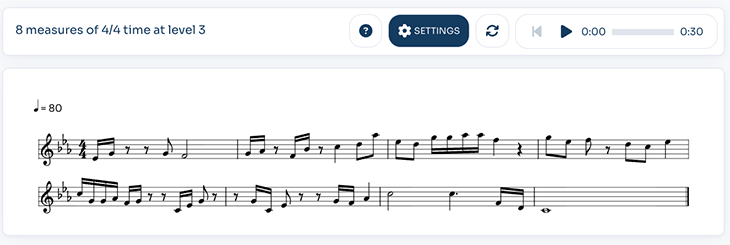
Every melody now starts on a note of the home chord, the 1, 3 or 5 of the key. It moves mostly by step, with the occasional leap. It ends on the tonic. That's how most of the music you'll be handed in a rehearsal or audition works, so your practice should work that way too.
Reading a tonal line is a different skill from reading random notes. You start to hear where the melody wants to go. You notice the scale pattern instead of decoding each note on its own. That's what good sight readers do, and now the exercises reward it.
Minor Keys Are Here
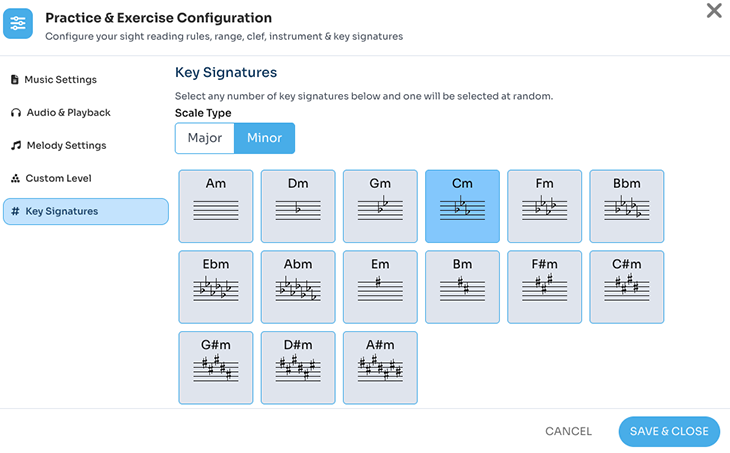
The Key Signatures tab now has a Scale Type toggle. Flip it to Minor. Minor melodies behave the way they do in most written music. The 7th is raised on the way up to the tonic, and the 6th is raised before it. In the sharpest keys that means a double sharp now and then. Good luck.
Prefer the Old Style?
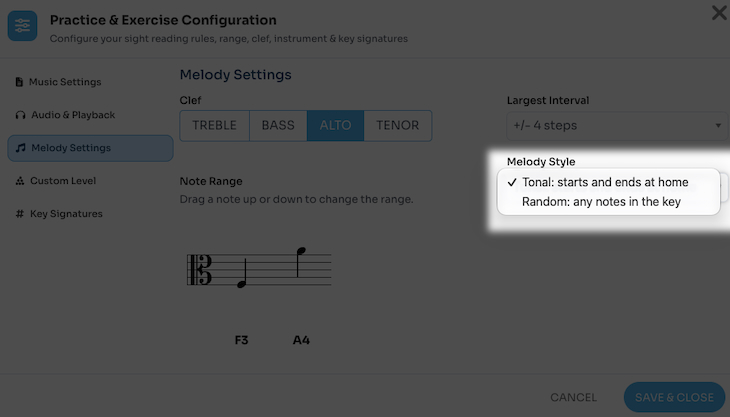
It's still there. Open the settings, go to Melody Settings, and set Melody Style to Random. Tonal is the default for everyone, including saved settings. Rhythm exercises aren't affected.
Try It
If you sing, our sight singing guide pairs well with Tonal, since solfège only clicks when the melody has a home. Already a member? Open the practice app and generate a melody. New here? Create a free account. After a few rhythm exercises you get three free melodies to try it out.
Enjoyed This Post?
Read more from the blog and start practicing with unlimited exercises.